 English
 Español
  Português
  русский
  Français
  日本語
日本語  Deutsch
  tiếng Việt
  Italiano
  Nederlands
  ภาษาไทย
  Polski
  한국어
한국어  Svenska
  magyar
  Malay
Malay  বাংলা ভাষার
  Dansk
Dansk  Suomi
Suomi  हिन्दी

Products
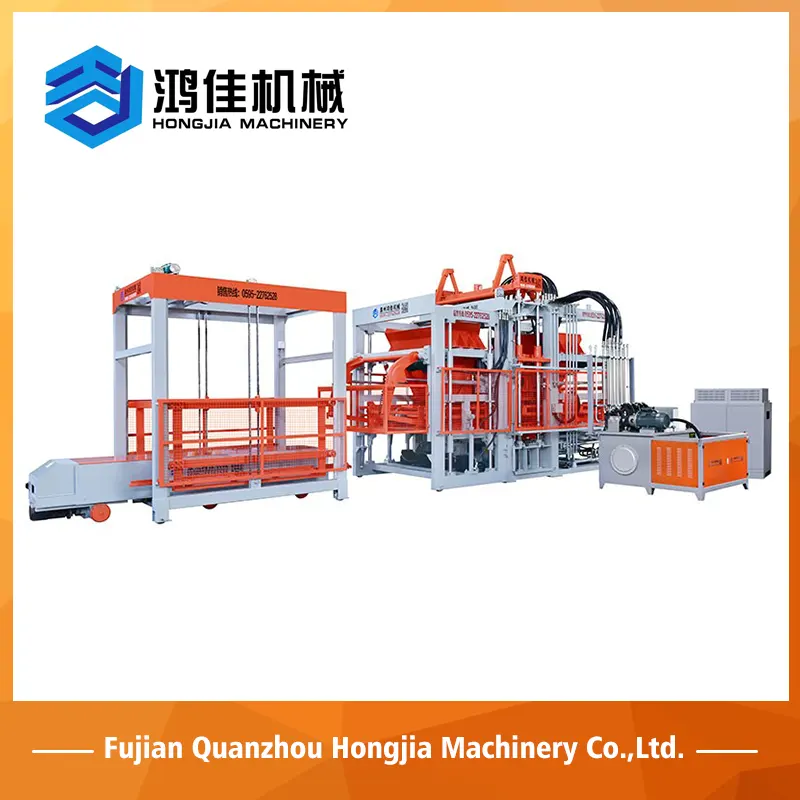
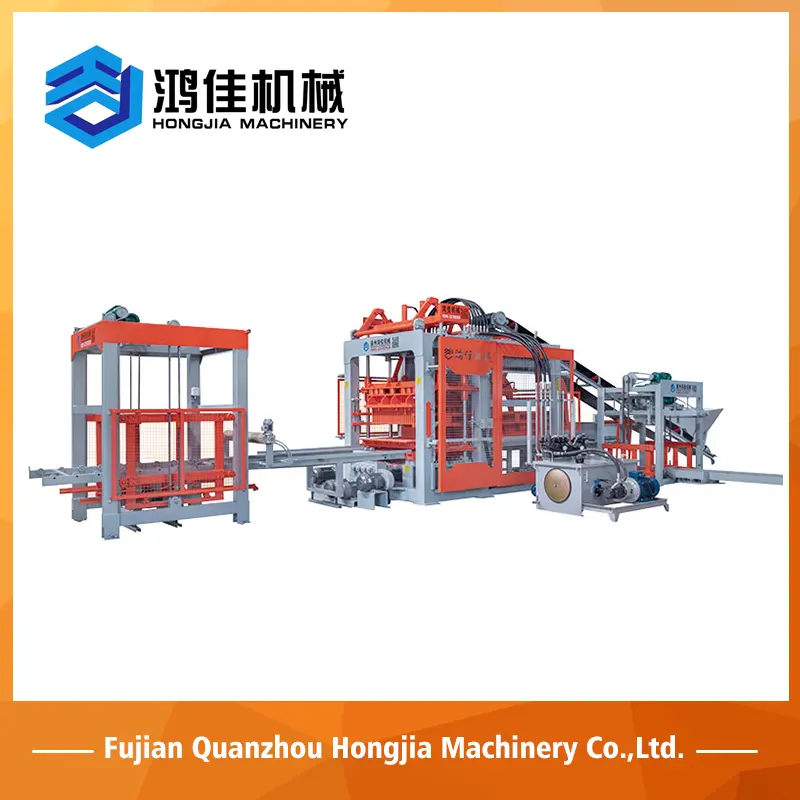
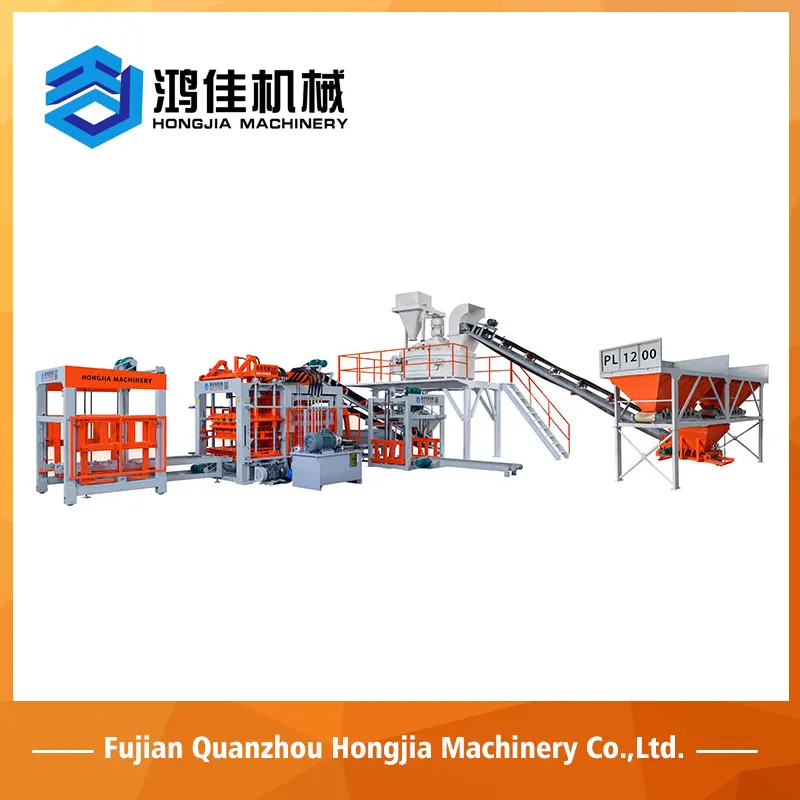
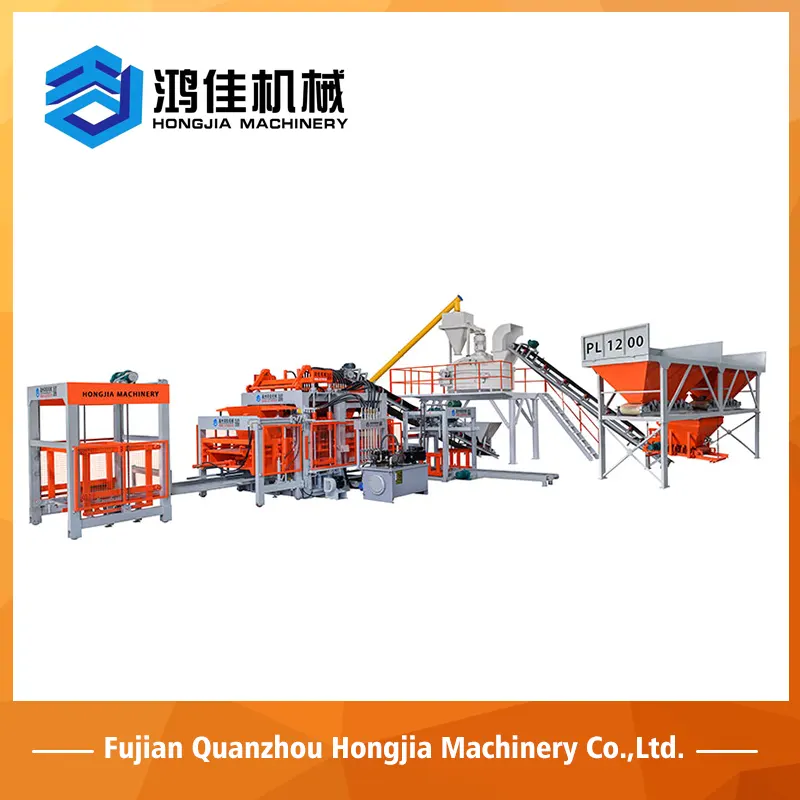
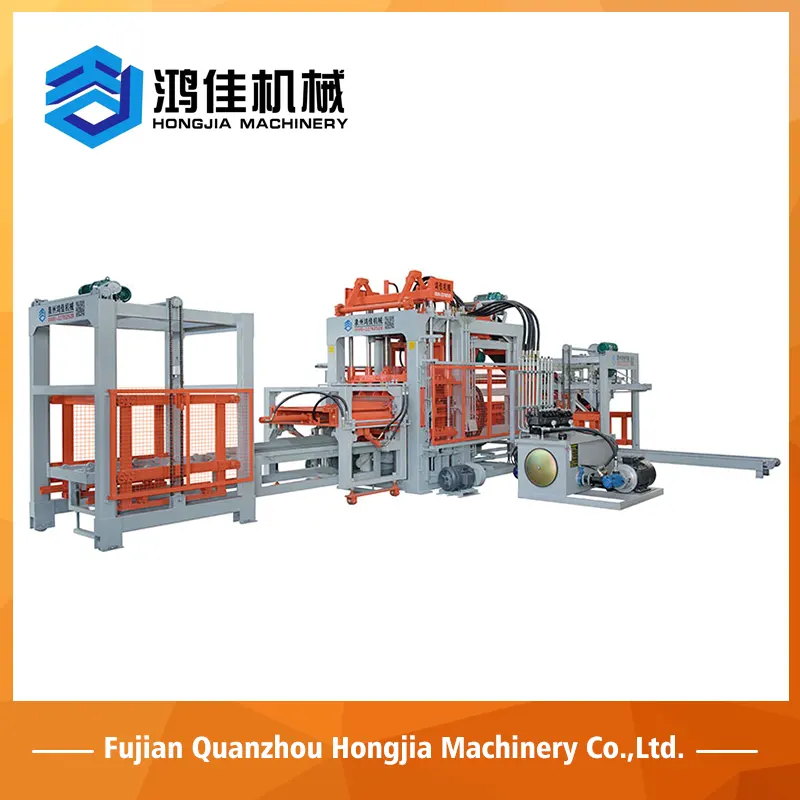

Automatic Brick Collector
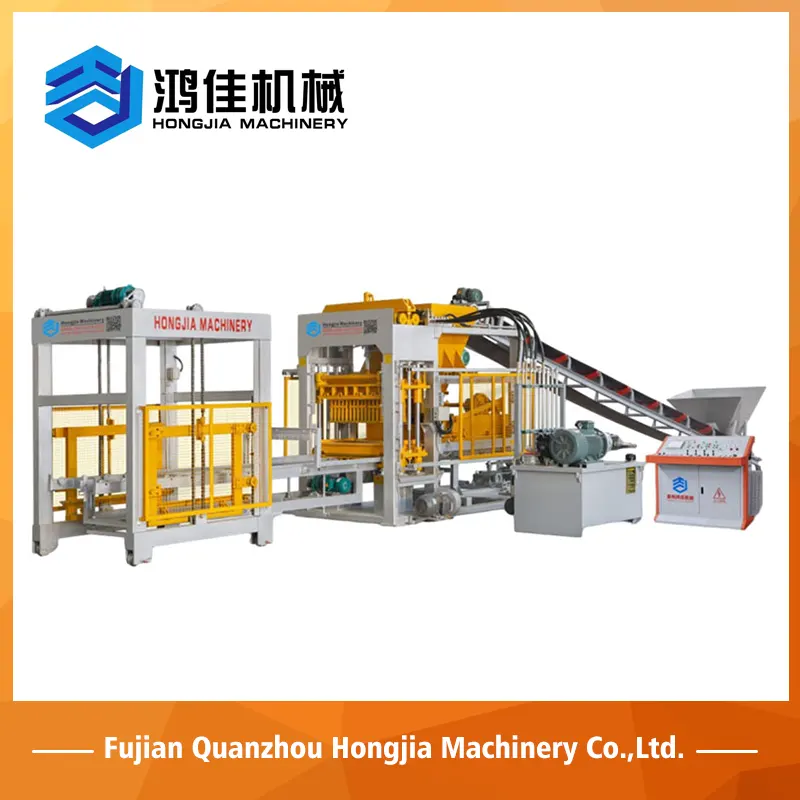
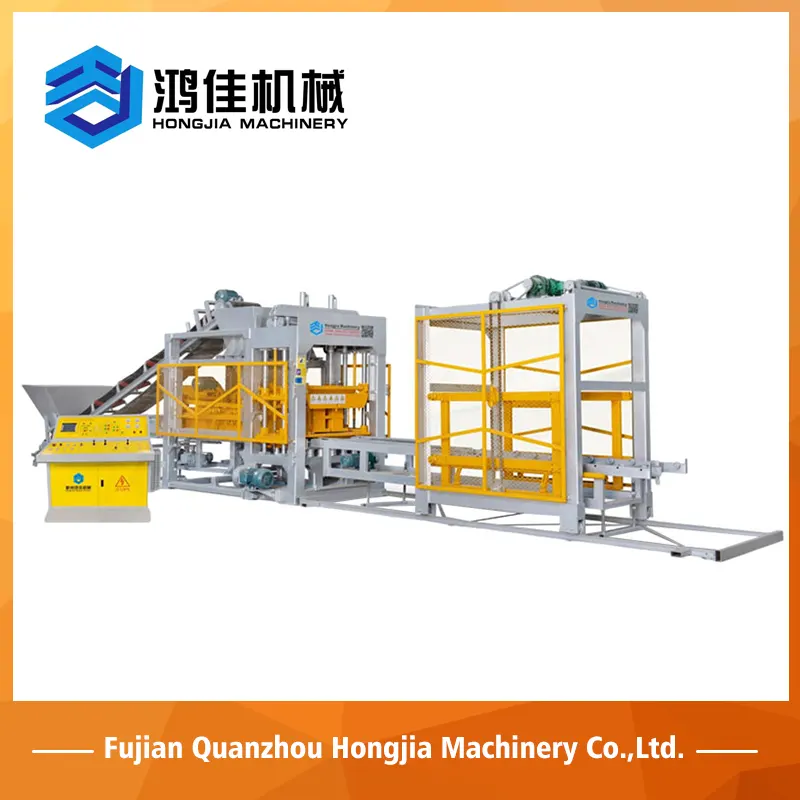
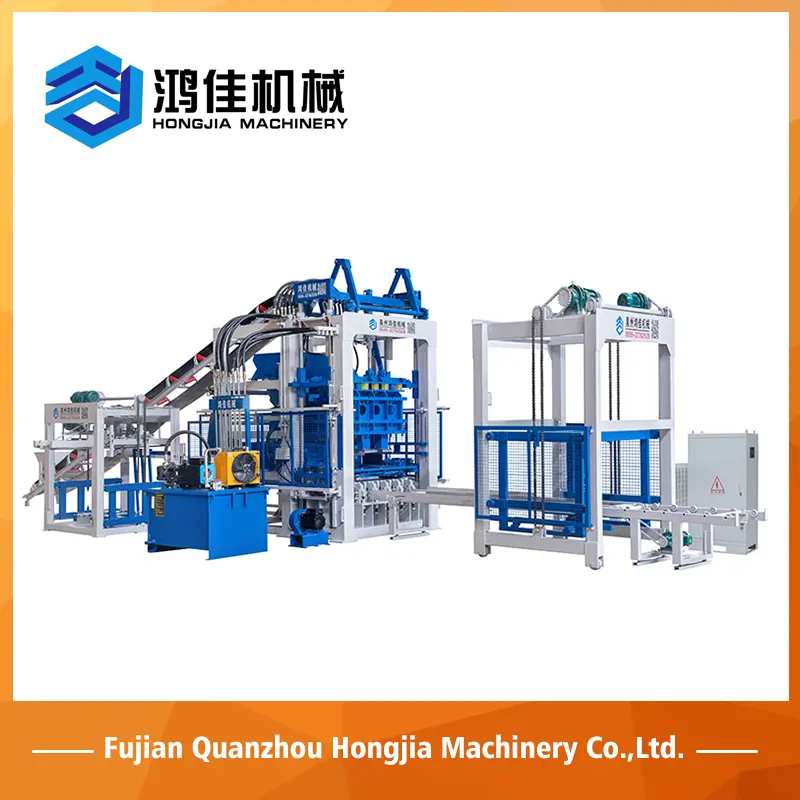
With the decline of the demographic dividend, Automatic Brick Collector is no longer an optional luxury item but has become a standard feature of modern concrete interlocking brick production lines. Customers can purchase it through HONGJIA MACHINERY. We support customization of colors according to different countries' voltage levels.
Model:HJ1200
Send Inquiry
Product Description
With the continuous progress and development of society, the number of ordinary workers has decreased, which has made the concrete brick production industry, with its meager profits, struggle to survive. In view of this, HONGJIA MACHINERY, after combining on-site practice, has developed the model HJ-1200 Automatic Brick Collector. This machine has the advantages of low investment, quick return, reduced manpower, cost reduction, and high efficiency, and can completely solve the problems of high labor intensity and labor shortage in the masonry industry, reduce product damage rate, and improve work efficiency.
Parameters
|
Technical Specifications |
|
|
Main Power |
35KW |
|
Brick Max Size |
1200*1200*1450mm |
|
Cycle |
Average 15s |
|
Weight |
15T |
|
Brick Shape Range |
All conventional bricks arranged in the same direction are applicable (except triangular bricks) |
|
Applicable Pallet Size |
Type 4 or Type 15 Machine |
Characteristics
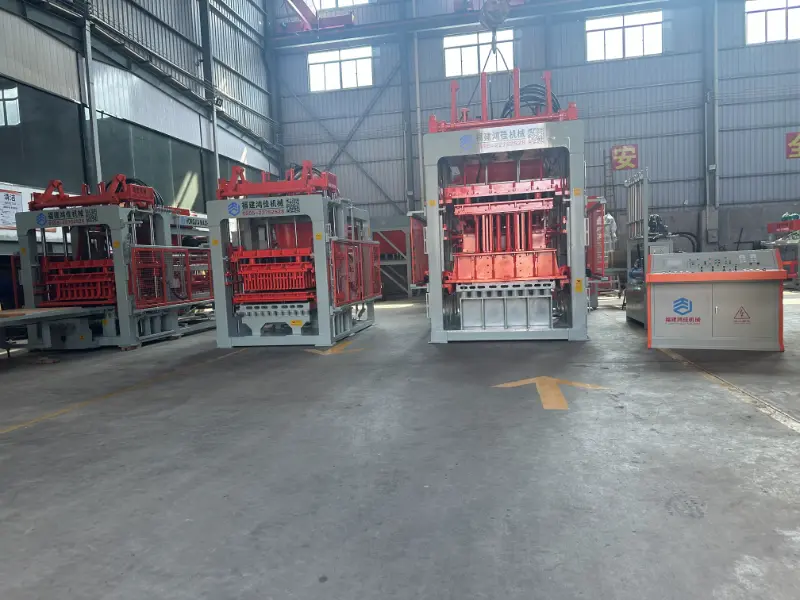
This Automatic Brick Collector adopts a tall portal or cantilever-type steel structure frame in its physical form. The entire machine is securely connected to the workshop floor through a thick base and embedded parts, to resist the huge inertial forces generated by frequent lifting and lateral movement. The top part of the equipment is equipped with a servo reducer drive assembly with a dust protection cover, and the middle part is an ultra-long linear guide rail and a heavy load ball screw pair after precision machining. The most notable physical feature is the matrix-type fixture assembly suspended below the moving crossbeam. This fixture consists of dozens of evenly distributed independent clamps or suction cups, and is equipped with standardized detachable connection flanges. Additionally, the control cabinet and operation station of the equipment are usually installed independently on the floor, connected to the moving components through high-flexibility conveyor belts, allowing operators to set parameters and monitor from a safe area on the ground.
Application scenario
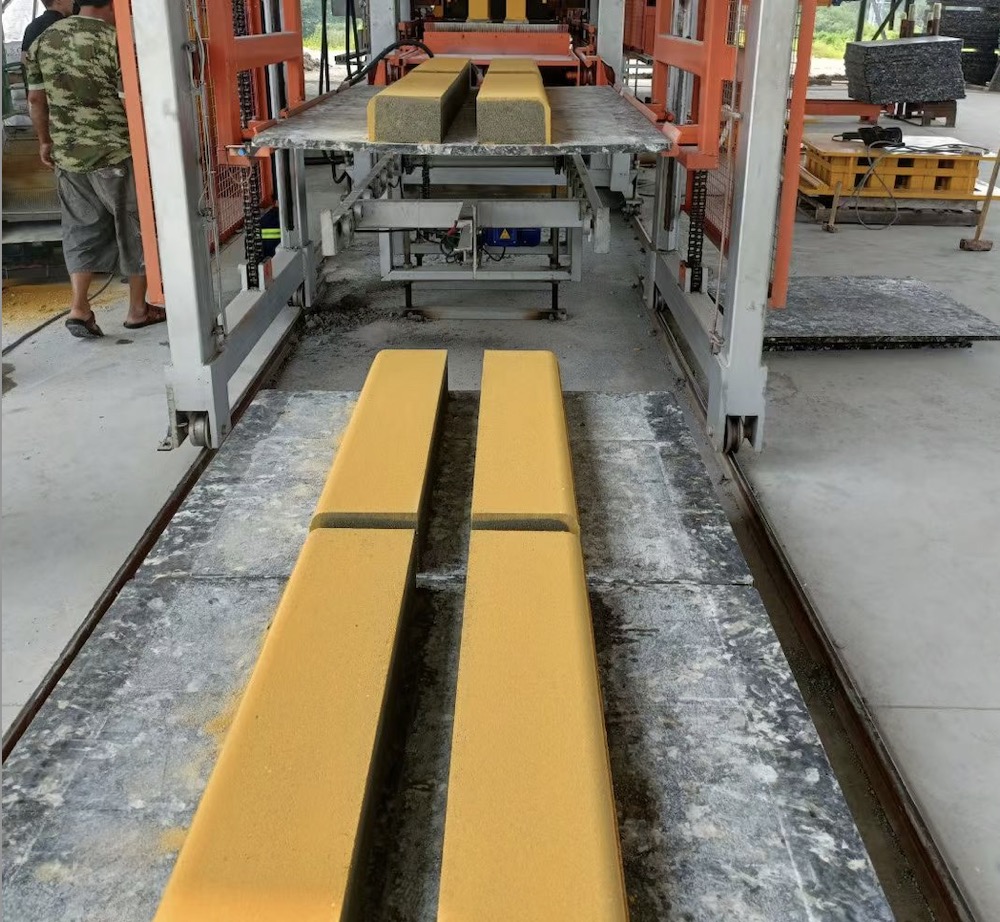
This Automatic Brick Collector is mainly deployed in modern large-scale block production scenarios that have extremely high requirements for production cycle and strive for extremely low labor costs. Typical application nodes include fully automated municipal building material factories with an annual output of tens of millions of standard bricks, large-scale production lines for aerated blocks or autoclaved bricks that require precise stacking of multiple layers of wet brick molds into multiple layers of curing kilns, and heavy prefabricated component workshops that produce large irregular curb stones and where manual handling is extremely difficult. In these applications, the stacker-picking machine, as the automated choke point connecting the high-frequency forming machine with subsequent curing processes, its tireless and stable operation capability and zero-damage transfer quality are the key physical foundation for ensuring that the entire unmanned production line achieves the maximum design capacity and economic benefits.
FAQ
The interlocking bricks have uneven shapes. Will they break or fail to hold the bricks?
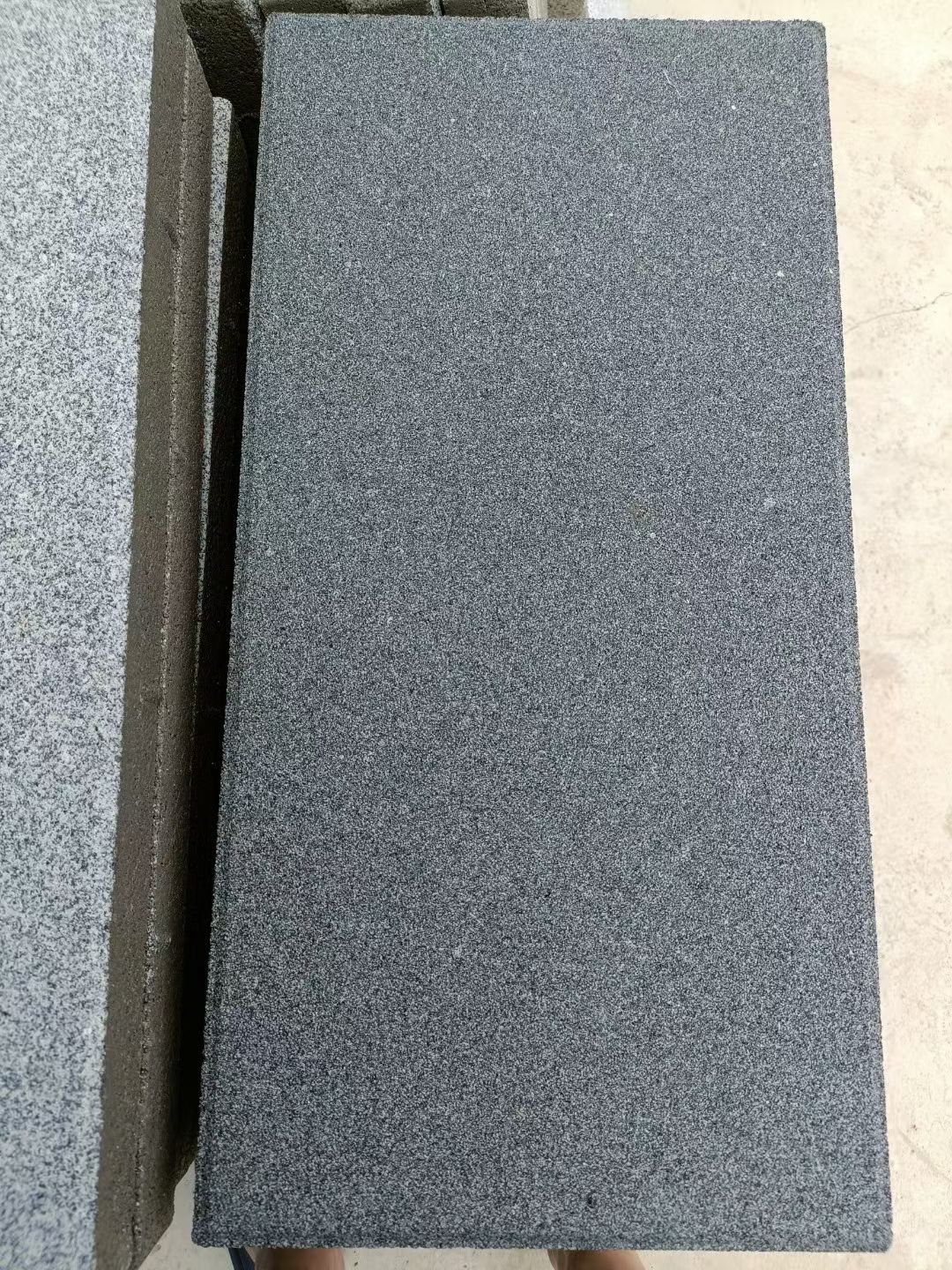
When designing the clamping plates for the Automatic Brick Collector, the interlocking surfaces are on the sides. They will be specially customized according to the thickness and the gaps, taking into account the shape of the interlocking bricks. This ensures that the flat force-bearing surface of the brick is not compressed and the interlocking protrusions are not squeezed.
The freshly pressed bricks are still very soft. Will the machine's grasping cause the underlying bricks to crack?
No. When the fixture contacts the upper surface of the brick, it will apply a small and constant downward pressure. The pulling force comes from the friction between the two sides of the clamping. There will be no situation where the underlying bricks are crushed.
If the mold is replaced and different-sized bricks are produced, can the collector still be used?
OK. The spacing of the collector's fixtures is usually adjustable. When changing the product, simply call the corresponding formula on the PLC touch screen, and the machine will automatically adjust the clamping width and stacking position.
Hot Tags: Automatic Brick Collector, China, Manufacturer, Supplier, Factory, Wholesale, Price, Customized, In Stock, Cheap, Latest Selling
Product Tag
Send Inquiry
Please feel free to fill your inquiry in the form below. We will reply you in 24 hours.



X
We use cookies to offer you a better browsing experience, analyze site traffic and personalize content. By using this site, you agree to our use of cookies.
Privacy Policy