 English
 Español
  Português
  русский
  Français
  日本語
日本語  Deutsch
  tiếng Việt
  Italiano
  Nederlands
  ภาษาไทย
  Polski
  한국어
한국어  Svenska
  magyar
  Malay
Malay  বাংলা ভাষার
  Dansk
Dansk  Suomi
Suomi  हिन्दी

Products
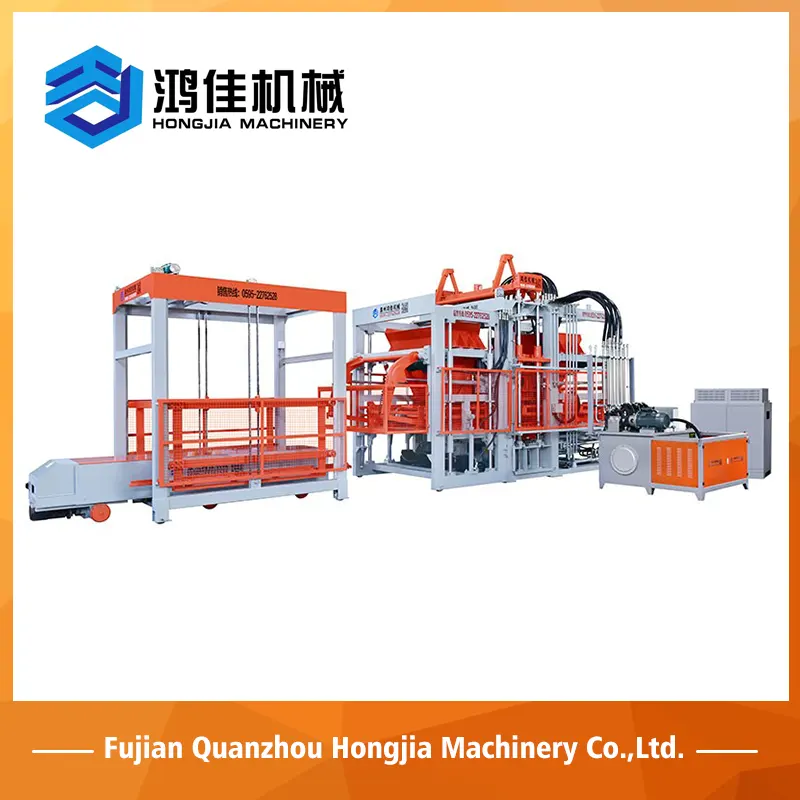
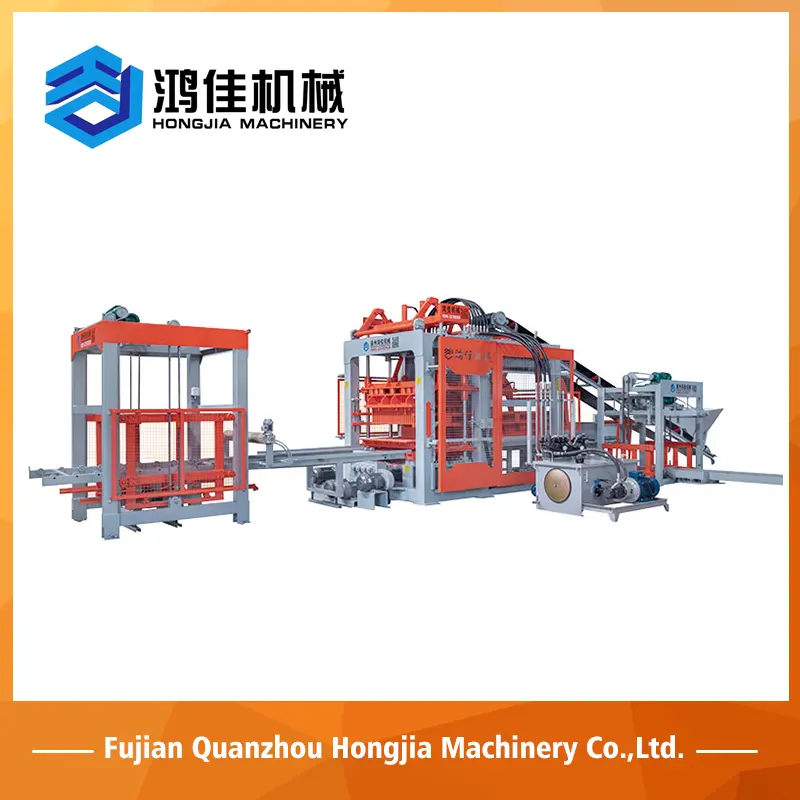
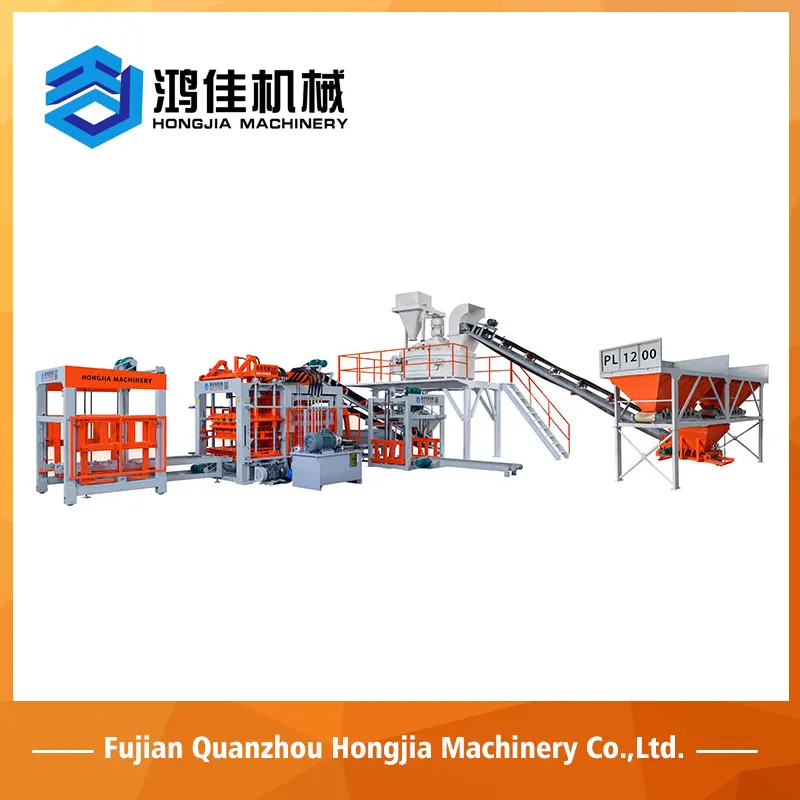
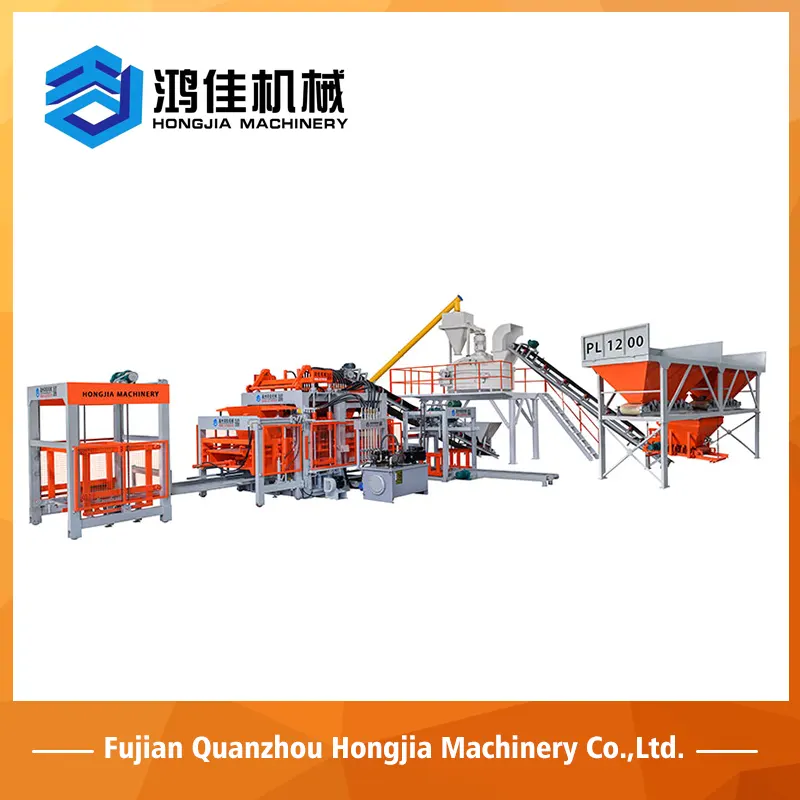
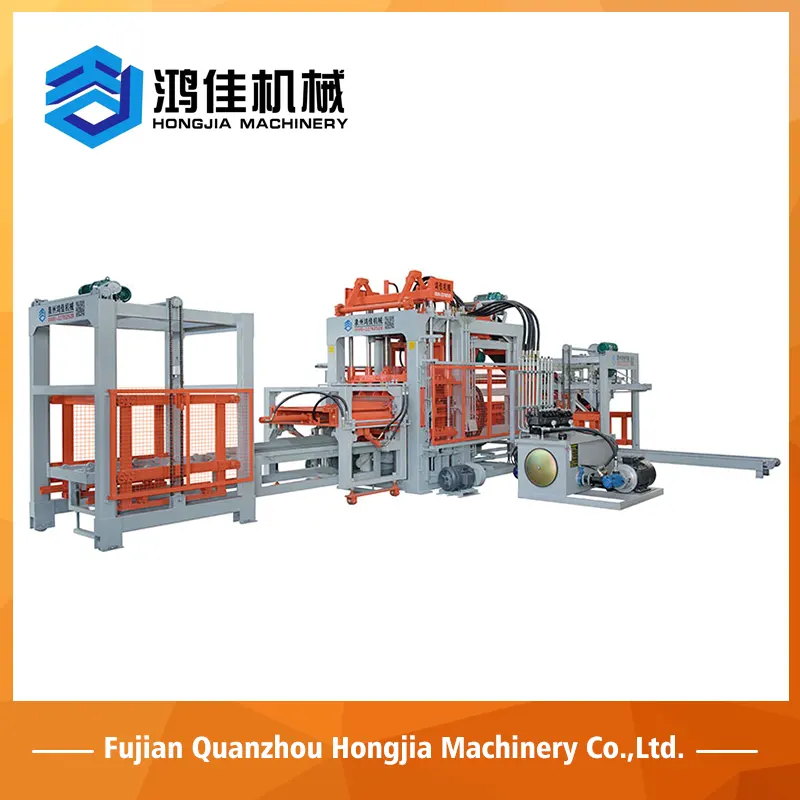
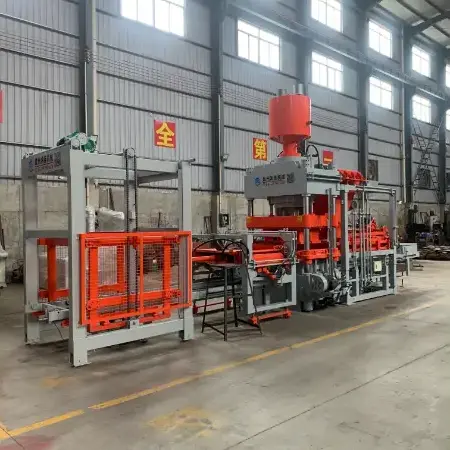
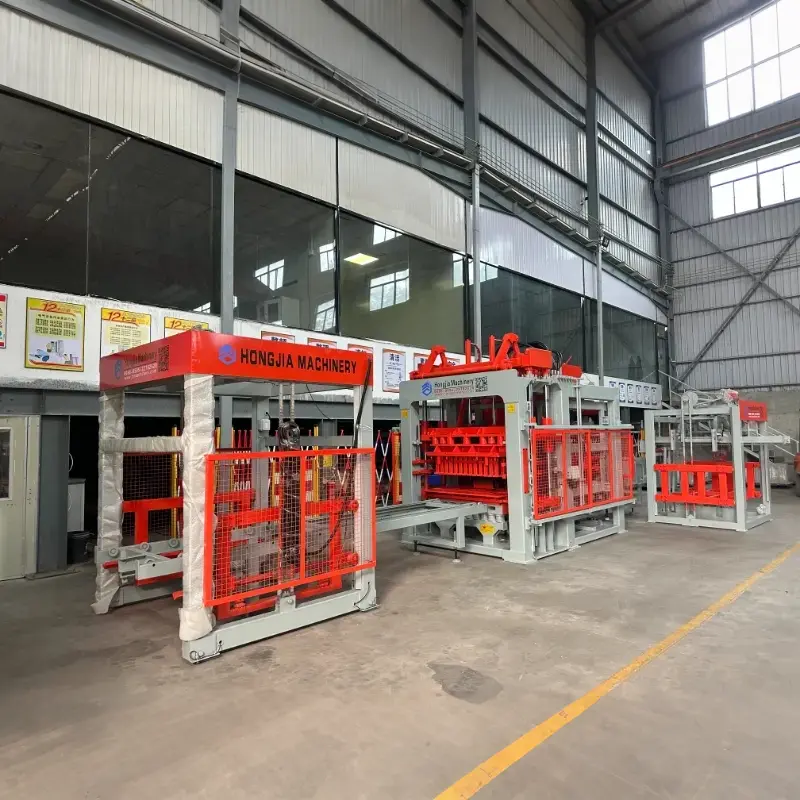
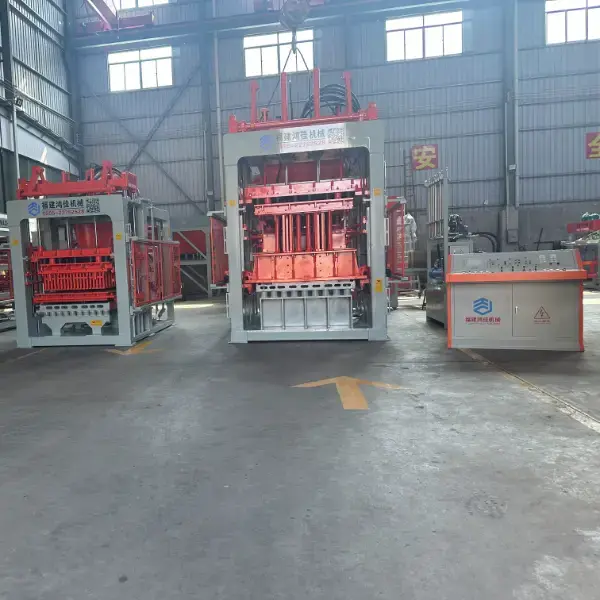
Concrete Block Machine Plant
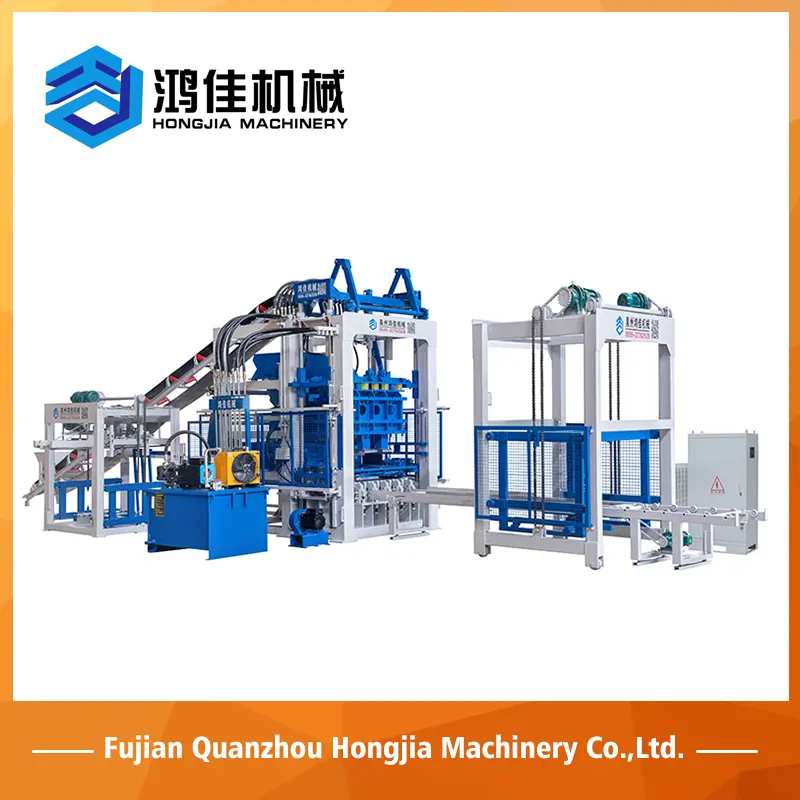
Hongjia Machinery's Concrete Block Machine Plant factory refers to a manufacturing plant that uses raw materials such as cement, sand and crushed stones, and through processes such as batching, mixing, vibration and hydraulic molding, automatically or semi-automatically produces various types of concrete blocks.
Model:QZ1300
Send Inquiry
Product Description
The Concrete Block Machine Plant is an industrial production system that integrates batching, mixing, molding and curing. This equipment is specifically designed for efficient and large-scale production of various high-quality building components. This product can be made using raw materials such as cement, sand, fly ash, crushed stones and construction waste. Through excellent vibration and hydraulic molding technologies, you can purchase this equipment from Hongjia Machinery. As a supplier, we offer high-quality services and comprehensive after-sales support.
Product Advantages
Wide raw material sources and environmental friendliness:
The equipment has an extremely strong adaptability to raw materials. It can not only use traditional sand and gravel, but also extensively utilize various industrial waste materials and construction waste such as fly ash, slag, coal gangue, and construction debris as aggregates. This not only effectively solves the problem of industrial waste disposal and realizes resource recycling, but also significantly reduces raw material costs. At the same time, the entire production process has the characteristics of low pollution and low energy consumption, which is in line with the national energy conservation and emission reduction and green development industrial policies.
Multi-purpose and production flexibility:
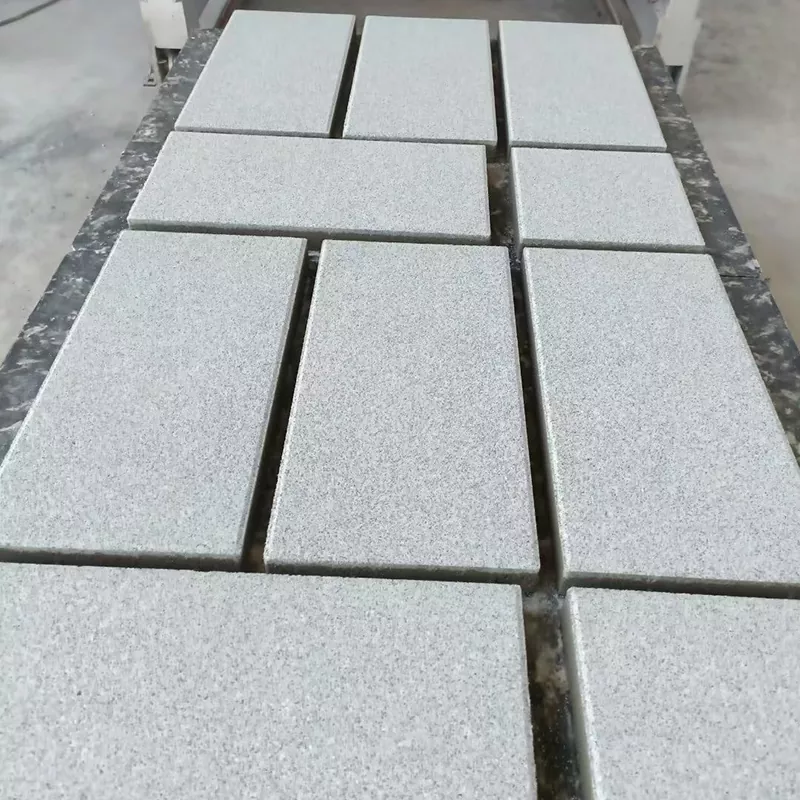
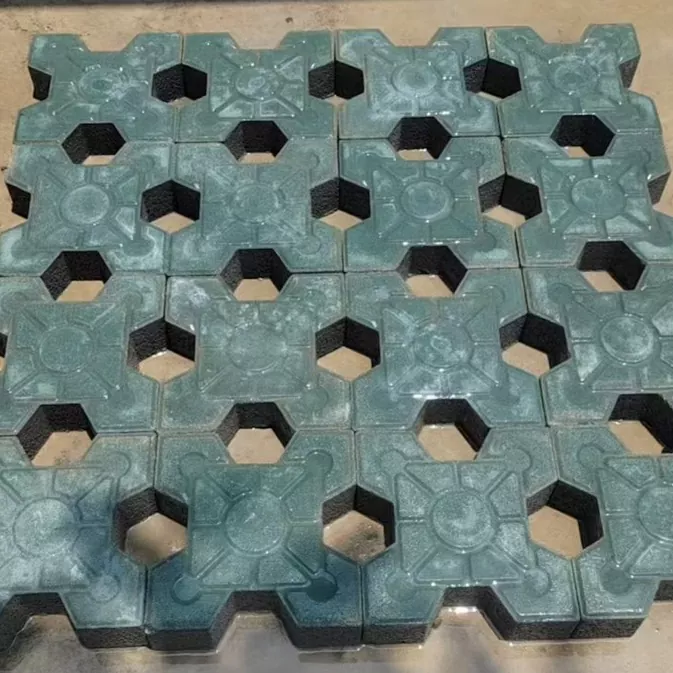
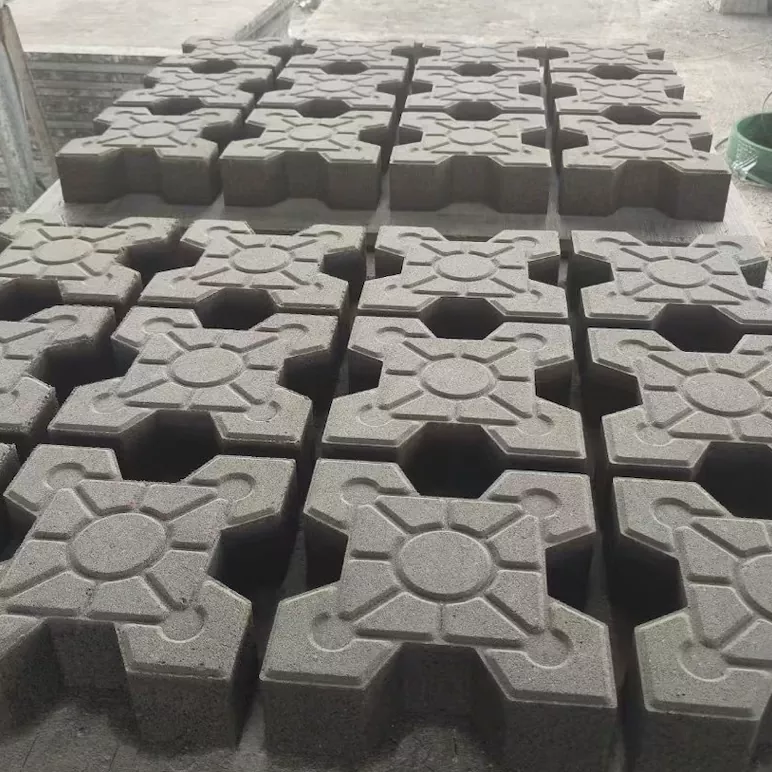
Standard bricks, perforated bricks, hollow blocks
Hemipelagic bricks for sponge cities, ecological blocks
Road kerbs for municipal use, imitation stone PC bricks, etc.
This flexibility enables enterprises to quickly respond to market changes, produce high-value-added products with different demands, and improve equipment utilization and investment return rate.
Stable and durable equipment and convenient maintenance
The production line is usually made of high-strength steel and special welding techniques to ensure good rigidity and vibration resistance.
The modular design standardizes each component, facilitating quick replacement and maintenance.
At the same time, the control system usually has self-diagnosis and alarm functions, which can quickly locate problems, and ordinary technicians can complete most maintenance work, greatly reducing the technical threshold for maintenance and downtime. It can also save energy, reduce land use, and has high investment returns.
The fully automated production line, through optimized layout, such as using a high-position curing kiln design, makes the entire line occupy a small area. At the same time, it pays attention to energy conservation in the energy design, reducing the production cost of each single product.
Overall, although the initial investment is higher than that of traditional equipment, due to its high efficiency, low labor costs, low maintenance costs, and advantages in raw material costs, the investment payback period is short, and the long-term economic benefits are significant.
Product features
Highly automated and intelligent control:
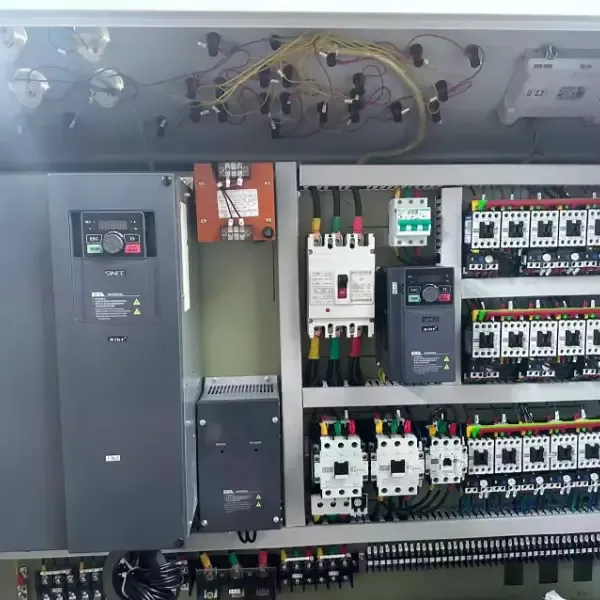
TheConcrete Block Machine Plant adopts integrated technologies of mechanical, electrical and hydraulic systems, with the core being PLC intelligent control.
Operators input process parameters through the touch screen human-machine interface, enabling various operation modes such as manual, semi-automatic and fully automatic.
The system is equipped with safety logic control, automatic fault diagnosis and alarm functions, and supports remote monitoring and debugging, significantly reducing operational difficulty and labor intensity, and ensuring continuous and stable production.
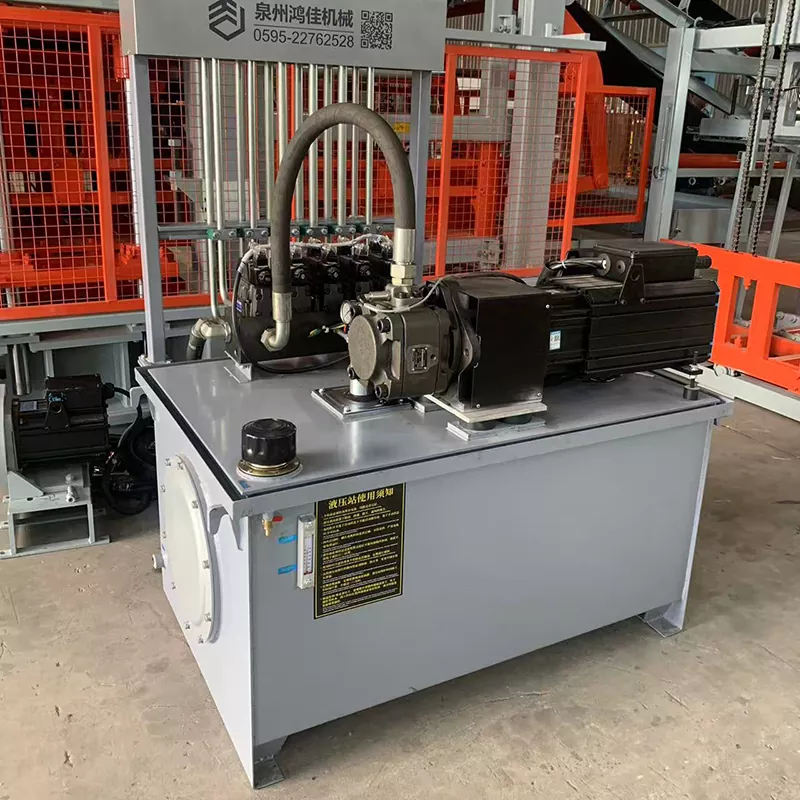
This equipment works in coordination with the hydraulic system and vibration system, applying high pressure and strong vibration to the concrete mixture inside the mold to achieve rapid densification and molding.
Excellent Characteristics
High strength: The compressive strength can reach above 15 MPa, which can meet the requirements of load-bearing walls.
High density: The vibration and pressure effectively remove bubbles, and the internal structure of the product is dense, with good frost resistance and impermeability.
Precise dimensions: The synchronous drive of mechanical, electrical and hydraulic systems ensures that the height error of the tray products is extremely small, the product consistency is good, and the appearance is beautiful.
FAQ
What equipment does a standard concrete block factory consist of?
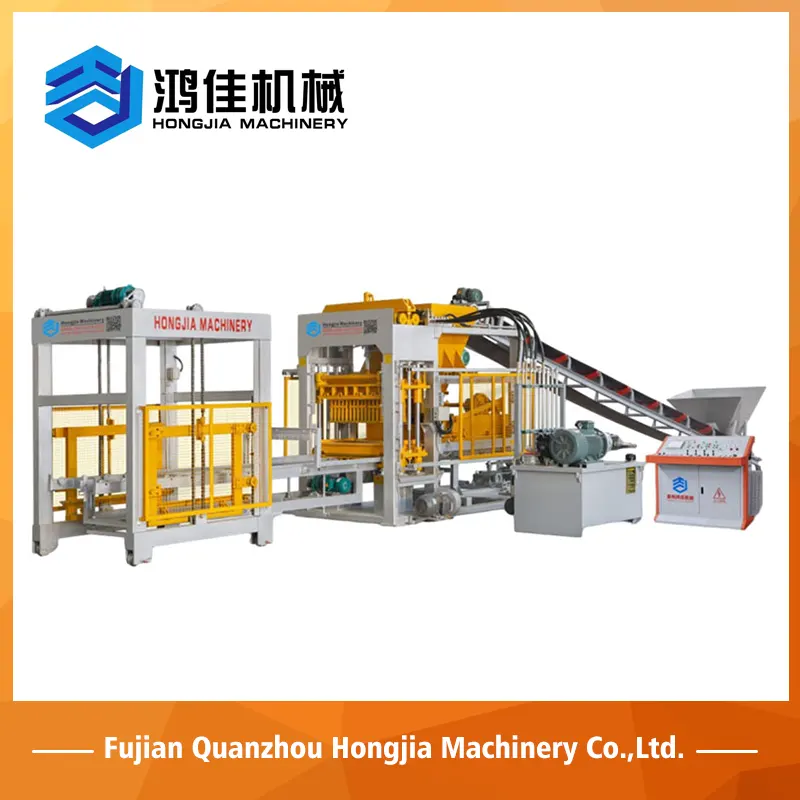
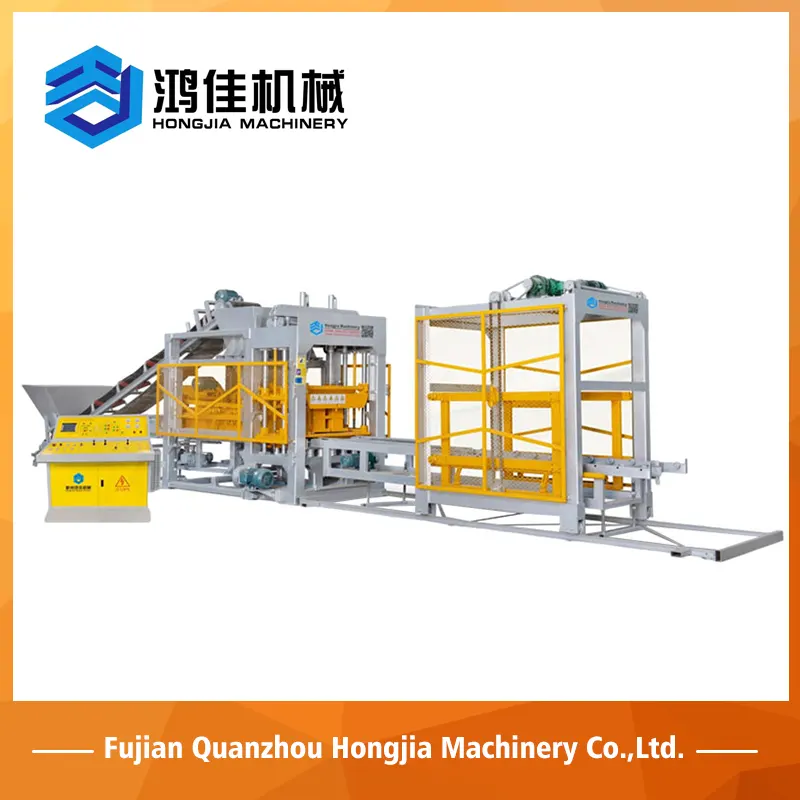
A complete production line usually includes raw material storage, batching machine, heavy-duty concrete mixer, main block forming machine, pallet handling system, automatic stacker, and PLC control system.
Can the same factory produce blocks of different shapes and sizes?
Yes. You don't need to purchase brand new equipment to produce different products. Just replace the molds in the molding machine, and you can switch from hollow blocks to paving stones or curb stones.
How to carry out brick curing?
After the bricks are formed, they need to be cured in the natural environment for at least 7 days. They can also be cured using a steam curing kiln, which can achieve the factory strength within one day.
Product Quality
Vibration Technology:
Excellent equipment is equipped with a high-frequency vibration system, which can fully liquefy and exhaust the air in concrete within a very short time. The produced hollow bricks or pavement bricks have extremely high density, with an error typically within ± 0.3 mm.
Automation and Intelligent Control:
The fully automatic production line is equipped with a PLC intelligent control system, enabling full-process automation from batching, mixing, molding to palletizing.
Main Material and Wear Resistance:
TheConcrete Block Machine Plant should be made of high-strength heavy-duty steel, while the core vulnerable components need to undergo heat treatment or be made of special wear-resistant steel to enhance their service life..
Product Structure
Hoppers and conveying vehicles
The mixing system can receive the concrete and evenly send the materials into the molds.
Vibration table and ram: High pressure can be applied through the hydraulic system, and high-frequency vibration can be used to compact the concrete, ensuring the structural strength of the blocks.
Transportation and curing system: Plate conveyors and brick discharge machines can send the supporting plates into the main machine forming system and remove the formed wet bricks.
Lifters and auxiliary vehicles: Wet brick supporting plates can be lifted layer by layer and stacked, and then transported to the curing kiln through the auxiliary vehicle system.
Curing kiln: The curing kiln can provide a constant temperature and humidity environment for the blocks, allowing them to obtain the required hardening strength in the initial stage.
QZ-1300 Series Core Technical Parameters Comparison Table
|
Comparison Dimension |
QZ-1300 |
Basic Small & Medium Equipment |
|
Automation Level |
Fully automatic, integrated intelligent PLC control system |
Semi-automatic or manual, requires manual board loading/cart pushing |
|
Molding Cycle |
Ultra-fast: approx. 10 ~ 15 seconds/mold |
Slower: approx. 30 ~ 40 seconds/mold |
|
Output per Shift |
20,000 ~ 26,000 standard bricks |
2,000 ~ 4,000 standard bricks |
|
Core Power System |
Electro-hydraulic servo vibration system, large load capacity |
Ordinary AC motor with eccentric block vibration |
|
Brick Making Raw Materials |
Wide range: sand, stone powder, slag, construction waste, etc. |
Usually requires high-grade standardized aggregates |
|
Equipment Maintenance Cost |
Low: intelligent fault alarm, servo motor burnout protection |
High: fast wear of wearing parts, frequent shutdowns for replacement |
Why choose us
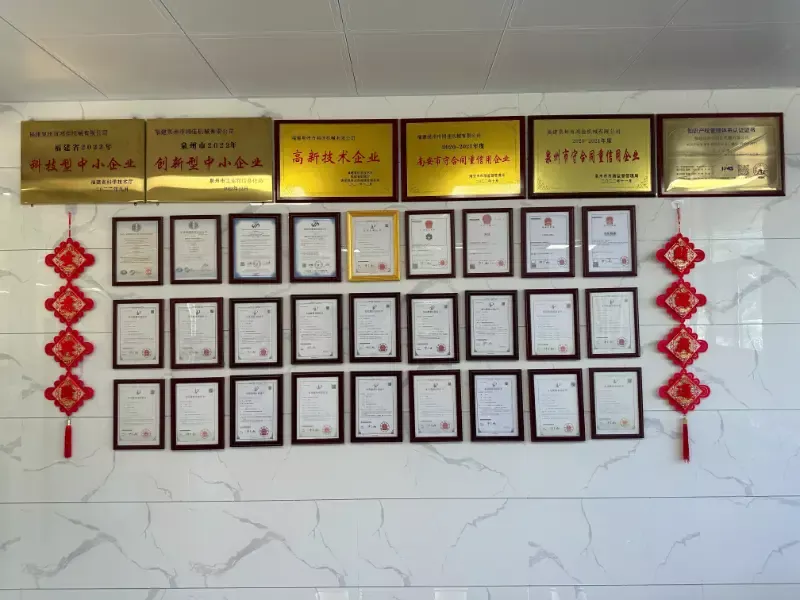
Choose our Hongjia Machinery'sConcrete Block Machine Plant, featuring high performance, extremely low maintenance costs, and comprehensive local operation support. Through advanced technology and customized services, with authoritative patent certifications and test reports, it helps customers enhance production efficiency and achieve investment returns.
Hot Tags: Concrete Block Machine Plant, China, Manufacturer, Supplier, Factory, Wholesale, Price, Customized, In Stock, Cheap, Latest Selling
Send Inquiry
Please feel free to fill your inquiry in the form below. We will reply you in 24 hours.



X
We use cookies to offer you a better browsing experience, analyze site traffic and personalize content. By using this site, you agree to our use of cookies.
Privacy Policy