 English
 Español
  Português
  русский
  Français
  日本語
日本語  Deutsch
  tiếng Việt
  Italiano
  Nederlands
  ภาษาไทย
  Polski
  한국어
한국어  Svenska
  magyar
  Malay
Malay  বাংলা ভাষার
  Dansk
Dansk  Suomi
Suomi  हिन्दी

Products
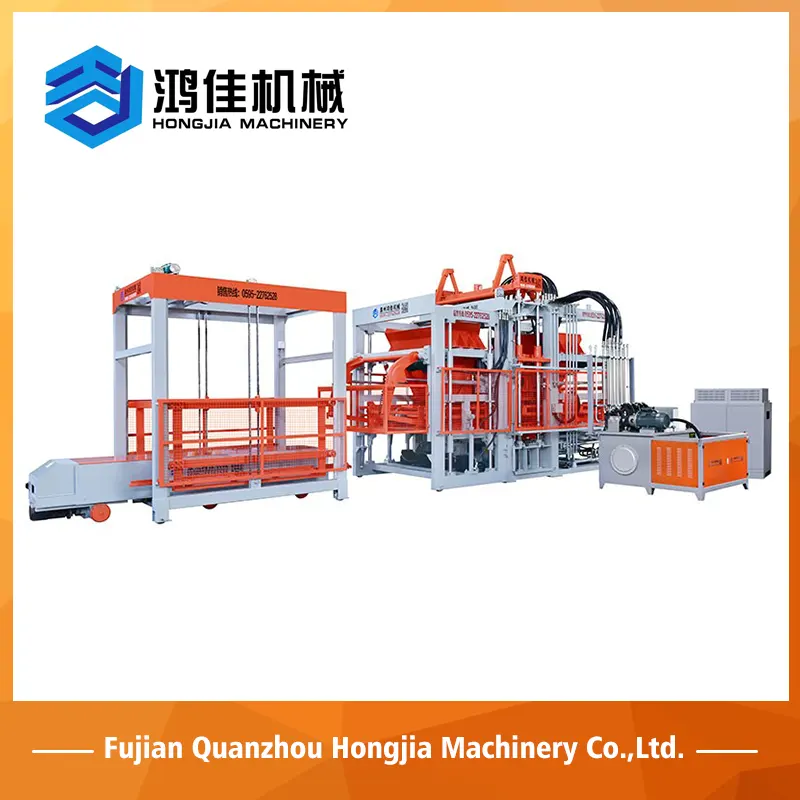
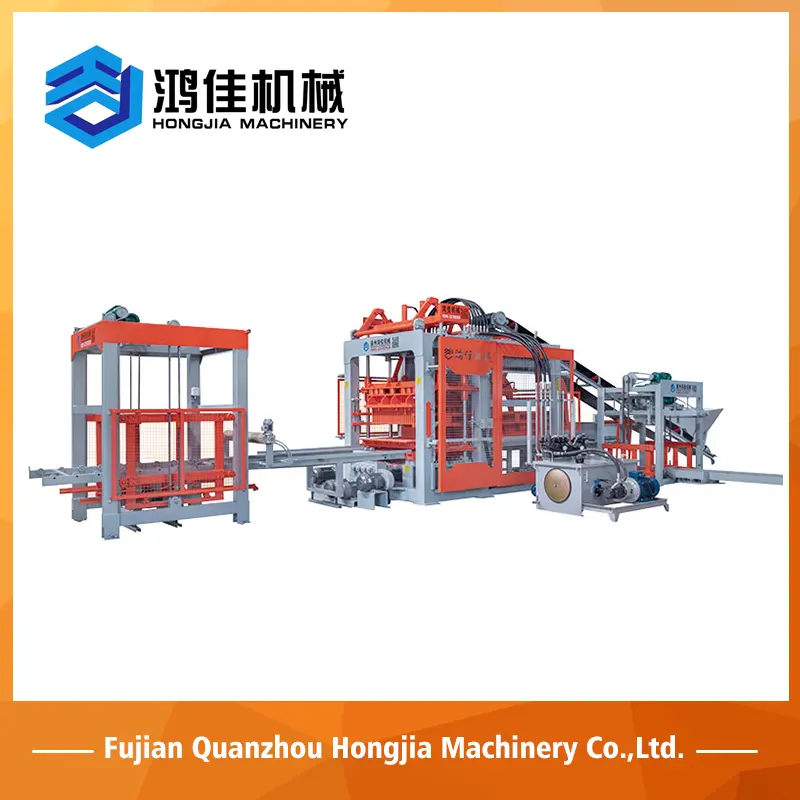
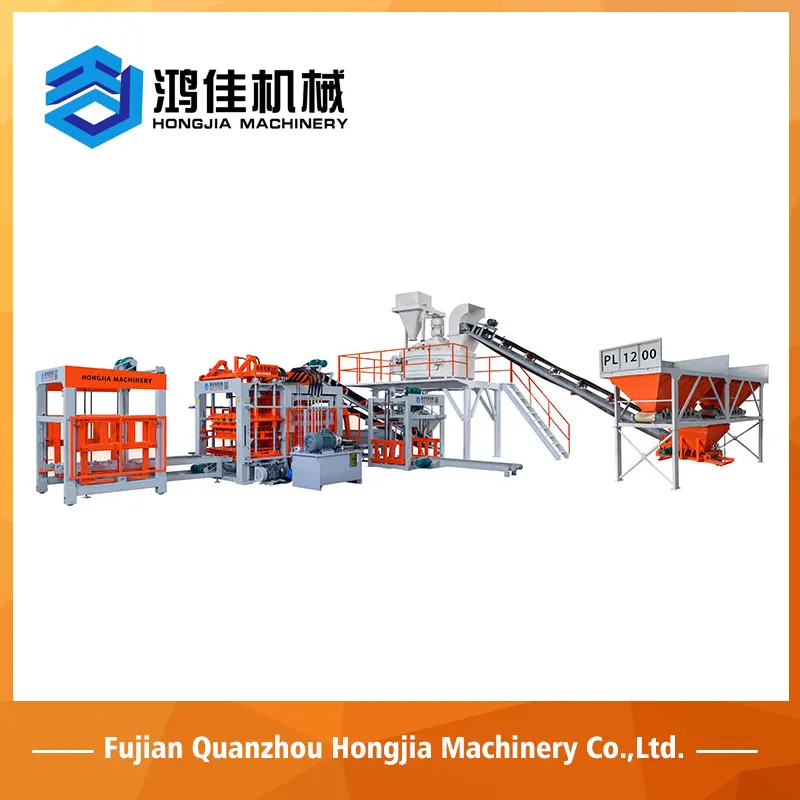
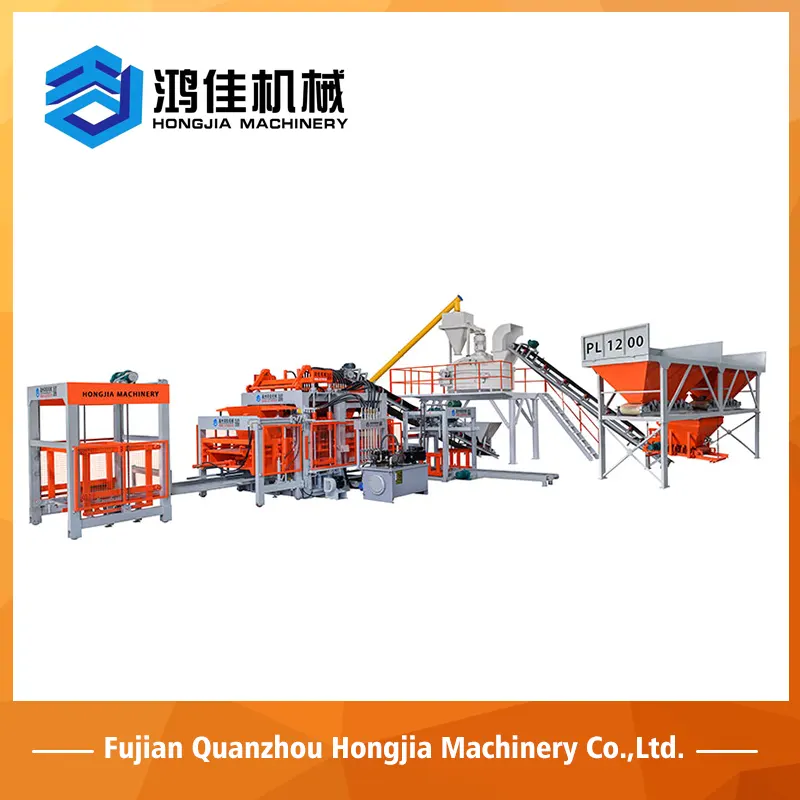
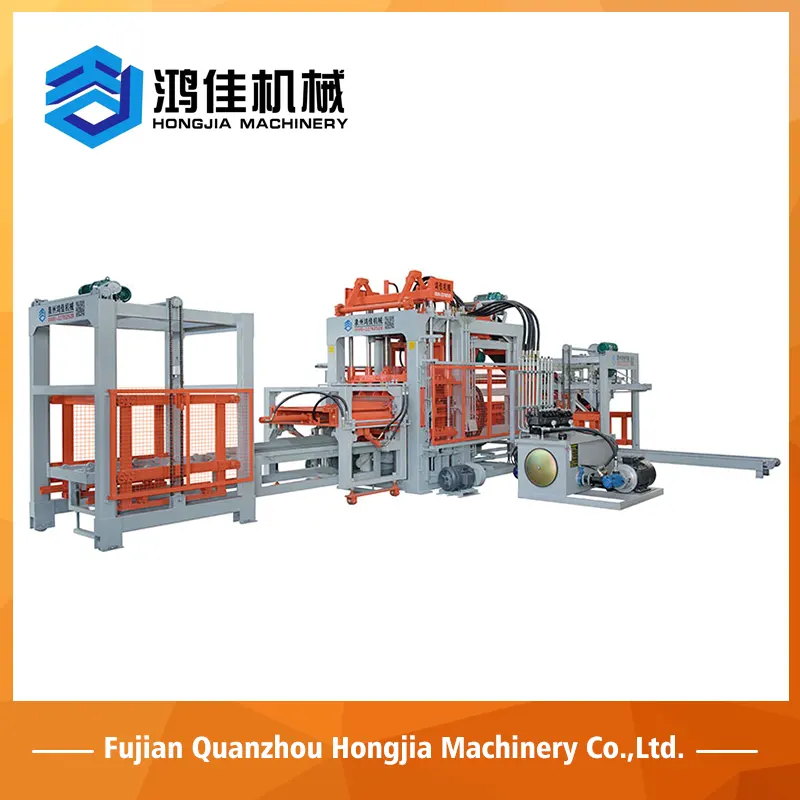
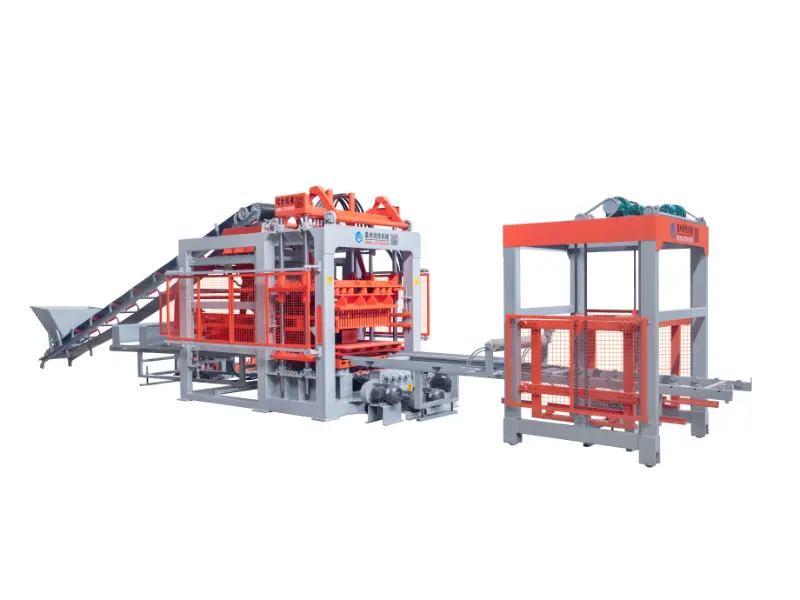
Concrete Interlocking Brick Making Machinery
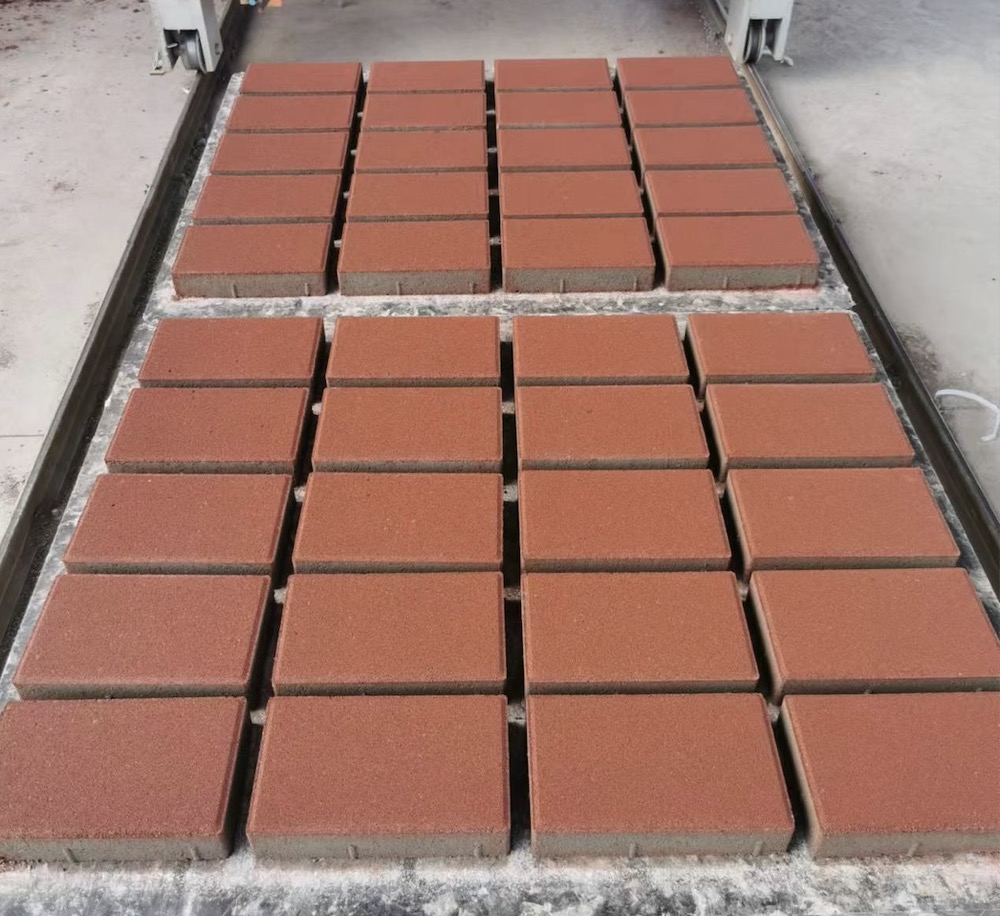
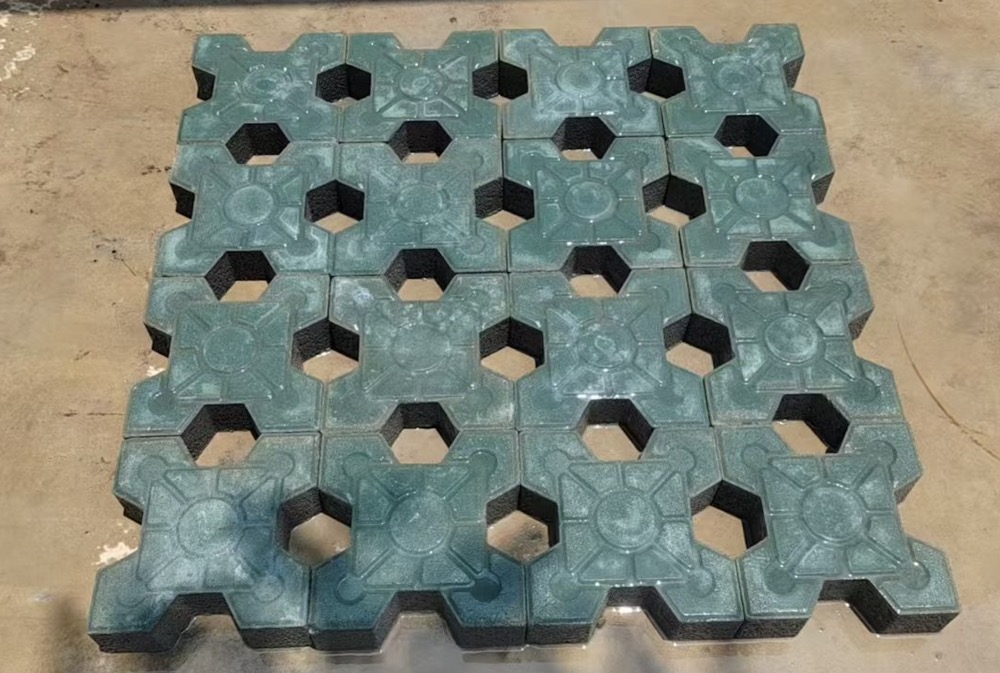
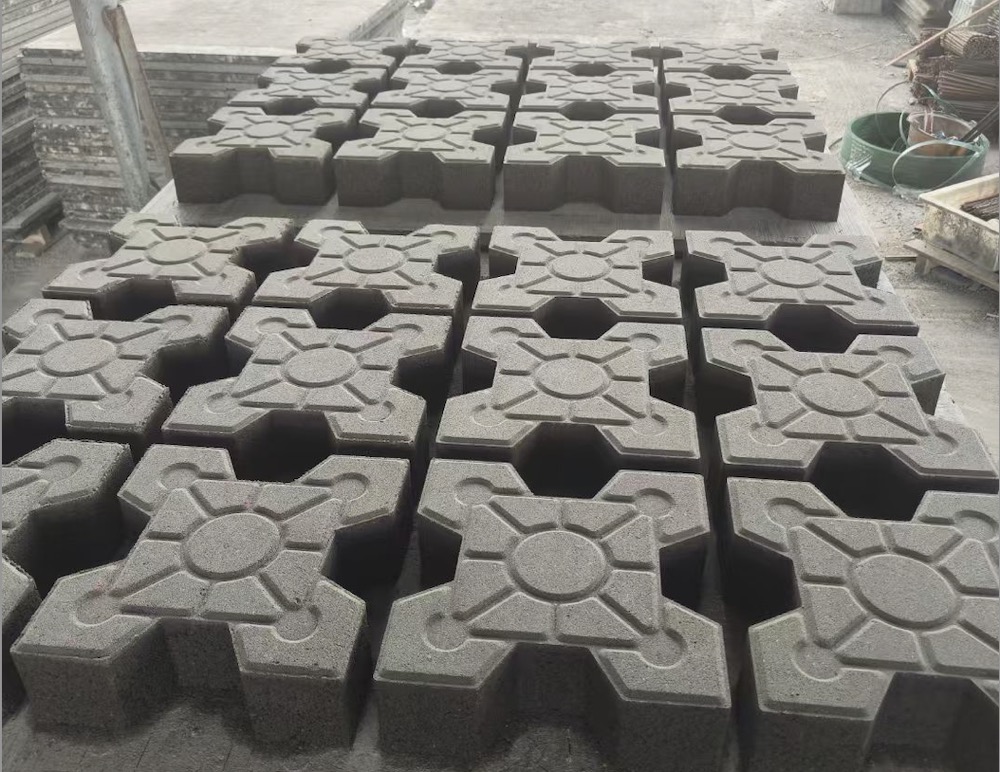
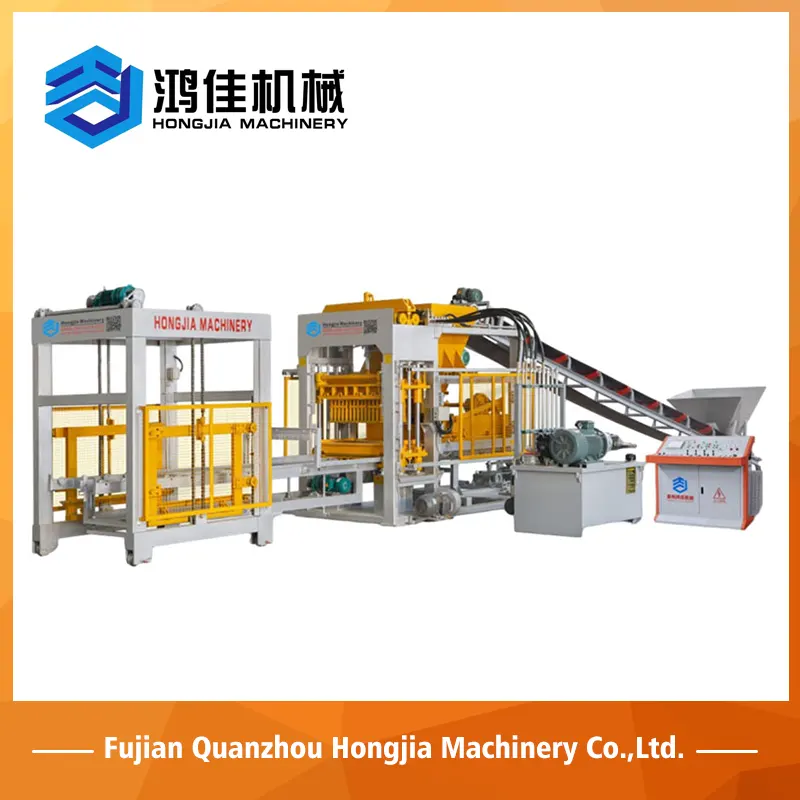
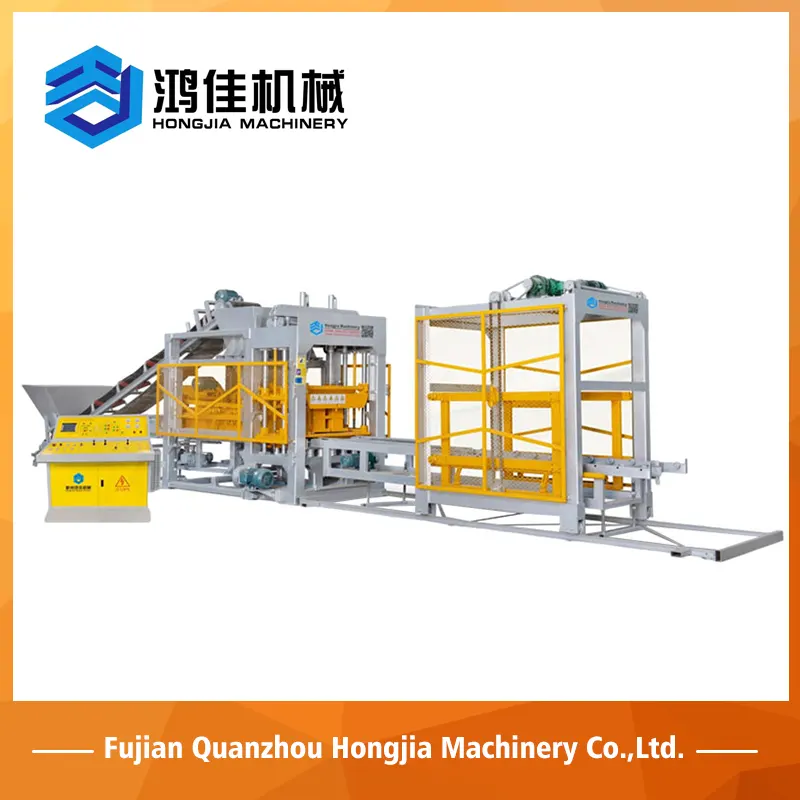
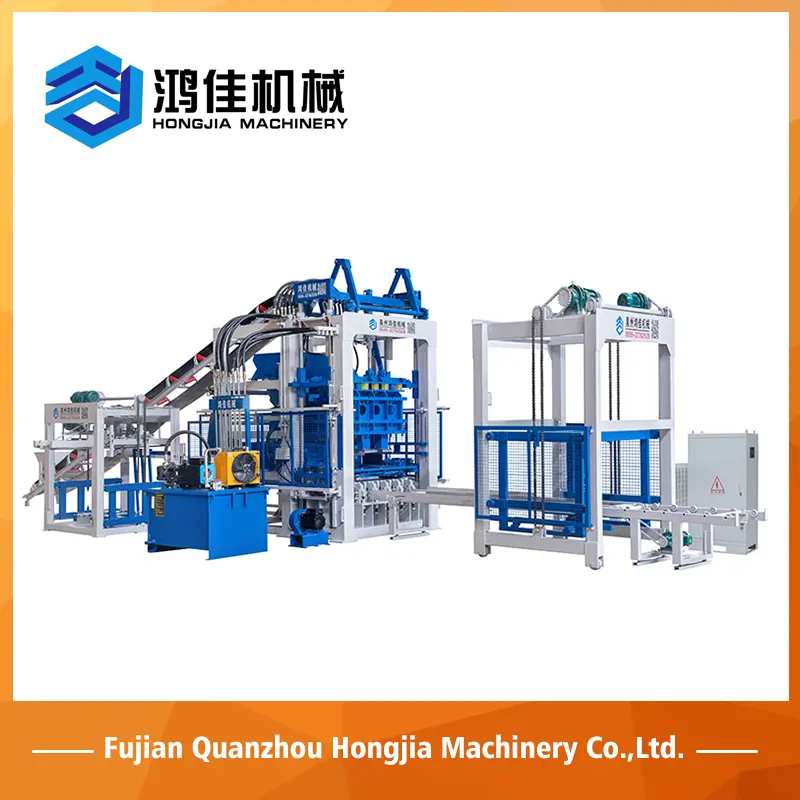
As a manufacturing factory, HONGJIA MACHINERY produces Concrete Interlocking Brick Making Machinery, which is an environmentally friendly construction equipment that uses hydraulic or vibration pressurization principles to compress cement, sand, and stone aggregates into interlocking brick blocks. It is highly favored in global infrastructure, landscaping, and municipal engineering projects.
Model:QT8-18
Send Inquiry
Product Description
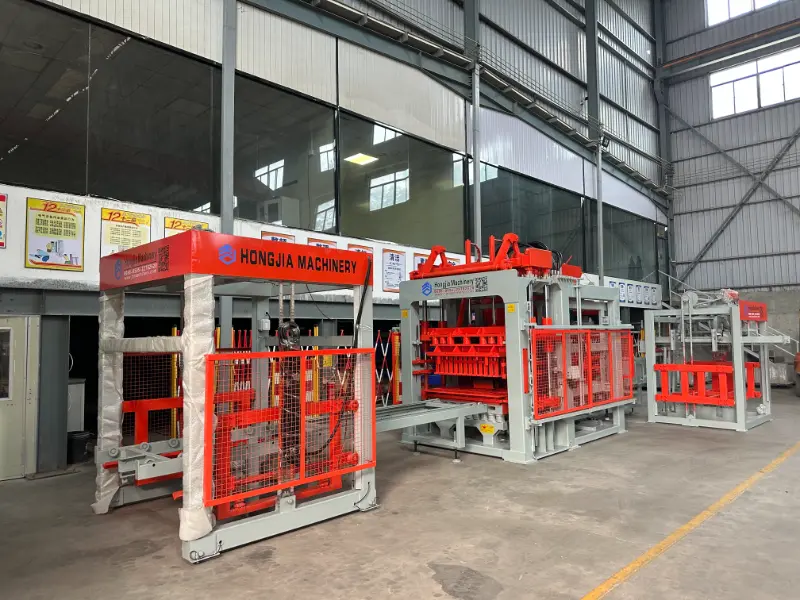
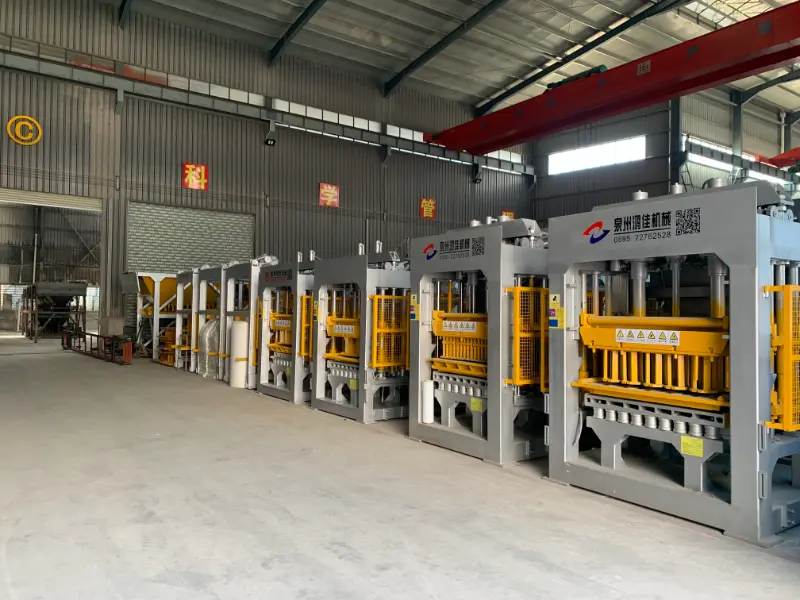
HONGJIA MACHINERY is one of the leading manufacturers and suppliers of Concrete Interlocking Brick Making Machinery in China. We specialize in the production and sale of such machinery. Whether it is entering the building materials market or being used for self-production and self-consumption in large-scale projects, it features low investment, high output, and environmental friendliness. Welcome to purchase, and we will be more than happy to provide you with high-quality services and prompt delivery.
Parameters
|
Host Machine Dimension |
3200 x 2200 x 2750 (mm) |
Host Machine Power |
45.5 (KW) |
|
Moulding Area |
800 x 820 (mm) |
Vibration Force |
90 (KN) |
|
Moulding Period |
15-20s |
Factory Area |
800 (m2) |
|
Pallet Size |
960 x 860 x 20/25 (mm) |
Capacity |
100 (KVA) |
|
Machine Weight |
12 (T) |
Mixer Model |
JS750 |
Brick sample parameters
|
Item |
Specification(mm) |
Pcs/mould |
Pcs/Hour |
|
Hollow block |
390 x 190 x 190 |
8 |
1500-2000 |
|
Solid brick |
240 x 115 x 53 |
42 |
9000-12000 |
|
Porous brick |
240 x 115 x 90 |
18 |
3340-4420 |
|
Holland brick |
200 x 100 x 60 |
28 |
4382-5600 |
How to maintain
This Concrete Interlocking Brick Making Machinery is mainly maintained through monitoring the cleanliness of the hydraulic oil and managing the lubrication status of the exciter bearings. Due to the extremely dusty working environment and the frequent operation of the hydraulic system, it is necessary to take samples and test the particle pollution degree and moisture content of the hydraulic oil every month. The oil filter element of the return oil filter must be replaced regularly to prevent the precision proportional valve from getting stuck. Every week, the specified type of high-temperature lubricating grease must be injected into the bearing cavity through the oil injection port on the exciter box, and it is necessary to observe whether there is old grease discharged from the oil outlet to prevent the bearing from cracking due to dry grinding and causing the eccentric shaft to get stuck. Before each shutdown, the residual concrete lumps on the forming table and the mold cavity must be thoroughly cleaned with a high-pressure water gun.
Feature Description
Hydraulic and Vibration Dual-effect Forming
The Concrete Interlocking Brick Making Machinery employs a large-tonnage hydraulic system combined with high-frequency table vibration/mold vibration technology, allowing the raw materials to fully liquefy and exhaust gas within the mold cavity. The resulting bricks have high density, high compressive strength, and neat edges and a smooth surface.
PLC Intelligent Control
The high-performance PLC from Siemens and the touch screen interface enable full automation control from material distribution, pressing, demolding to brick production. Real-time data monitoring and storage are available.
Modular Mold Design
The molds are customizable and are made of high-quality alloy steel after carburizing/quenching treatment, providing extremely strong wear resistance. Different specifications and shapes of bricks can be produced according to actual conditions to meet diverse demands.
Forced Material Distribution System
It uses a forced material distribution vehicle, suitable for dry-hard concrete or mixtures with a high proportion of waste residue.
Energy-saving and Low-cost Operation
The non-burning process is adopted, eliminating the need for kiln firing and reducing labor costs; it also eliminates coal pollution and reduces dust and noise pollution.
Hot Tags: Concrete Interlocking Brick Making Machinery, China, Manufacturer, Supplier, Factory, Wholesale, Price, Customized, In Stock, Cheap, Latest Selling
Product Tag
Cement Brick Making Machinery
Concrete Interlocking Brick Making Machinery
Building Concrete Block Making Machine
Full Automatic Block Making Machine
Brick Making Machine
Automatic Vibrating Brick Machine
Automatic Concrete Brick Machine
Automatic Brick Making Machine
Interlocking Brick Machine
Concrete Brick Machine
Send Inquiry
Please feel free to fill your inquiry in the form below. We will reply you in 24 hours.



X
We use cookies to offer you a better browsing experience, analyze site traffic and personalize content. By using this site, you agree to our use of cookies.
Privacy Policy